

The plug-in methods of FPC connectors
The plug-in methods of FPC connectors Read More »


FPC connectors are mainly composed of the following parts:Pin terminal: This is the core component of FPC connector, used to connect FPC and circuit board. The pin terminals are usually equipped with springs to provide dual protection of self-locking and contact, ensuring stable connection between FPC and circuit board.Insulator: Insulator is a fixing device in
The main components of FPC connectors Read More »

The Wafer connection method refers to the use of Wafer connectors to achieve electrical connections between circuit boards or between circuit boards and cables. The following are the basic steps of Wafer connection method:
The Wafer Connection Method Read More »
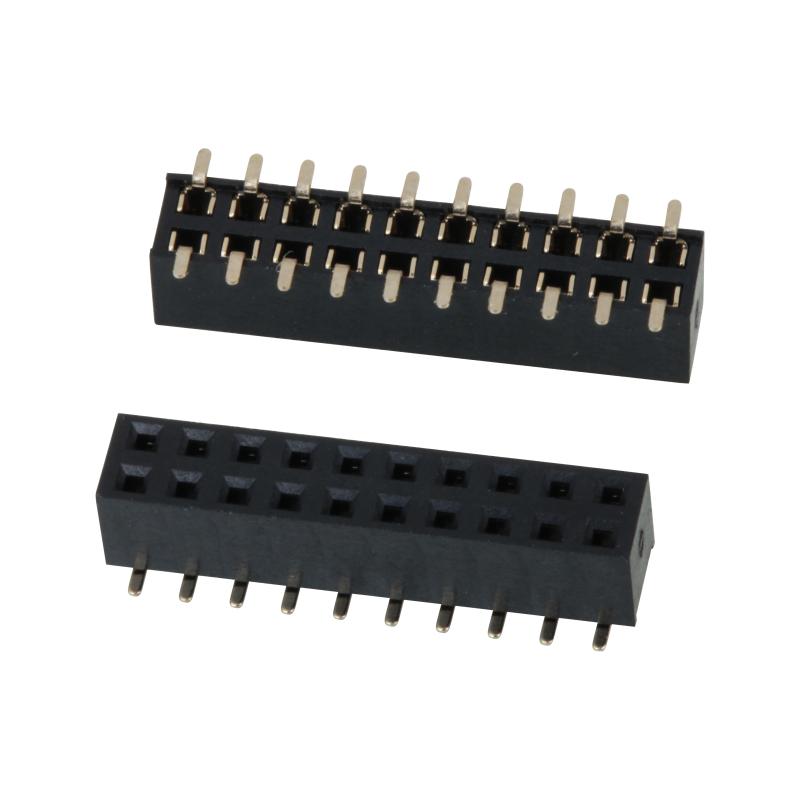
The precise adjustment of the height of pin header and female header pairing is a key step in ensuring the smooth operation of mechanical equipment. Firstly, ensure that the equipment has been shut down and powered off, clean the pin headers and female headers and their installation areas, and avoid dust or debris interfering with
Method for pairing height of Pin Header and Female Header Read More »
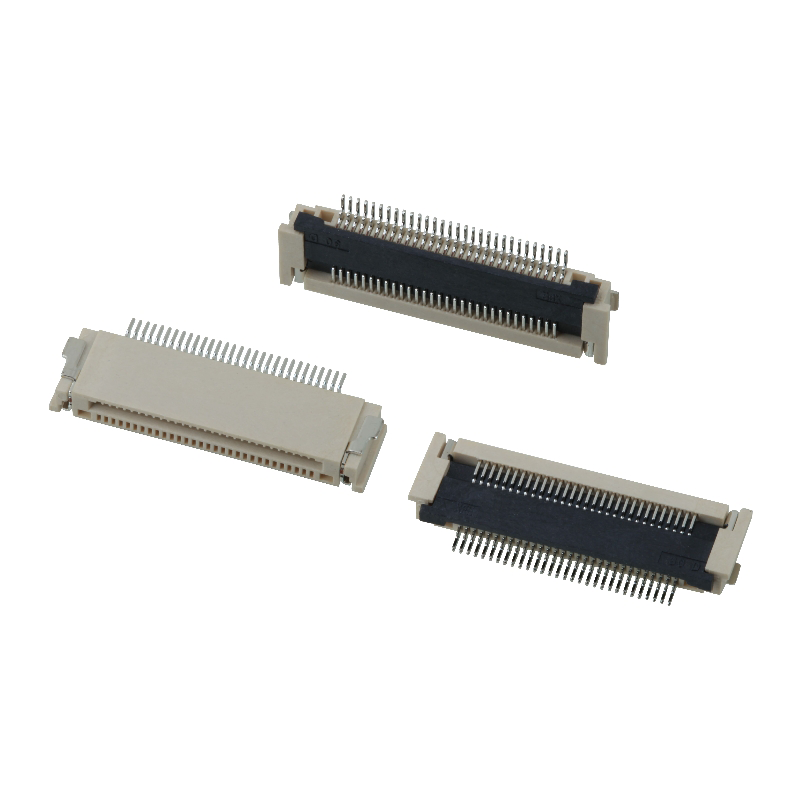
The installation of FPC (Flexible Printed Circuit) connectors requires meticulous operation to ensure stable electrical connections and long-term reliable mechanical performance. Firstly, before installation, confirm that the FPC connector matches the specifications of the FPC and ensure that the conductor part is clean and undamaged. The environment should be kept dry and dust-free to avoid
Installation method of FPC connector Read More »

When installing FPC connectors, it is important to avoid excessive bending of the FPC cable to prevent internal wire breakage from affecting signal transmission. At the same time, operators should take anti-static measures, such as wearing anti-static wristbands, to ensure a clean working environment. When inserting the FPC, align it with the direction and avoid
Installation and maintenance precautions for FPC connectors Read More »
When choosing a WAFER connector, it is necessary to consider multiple dimensions such as product application scenarios, electrical performance, structural form, material technology, and usage environment. Whether it is board to board or wire to board connection, the voltage, current, signal type, and insertion frequency carried by the connector should be clearly defined. The pin
How to choose the appropriate WAFER connector? Read More »
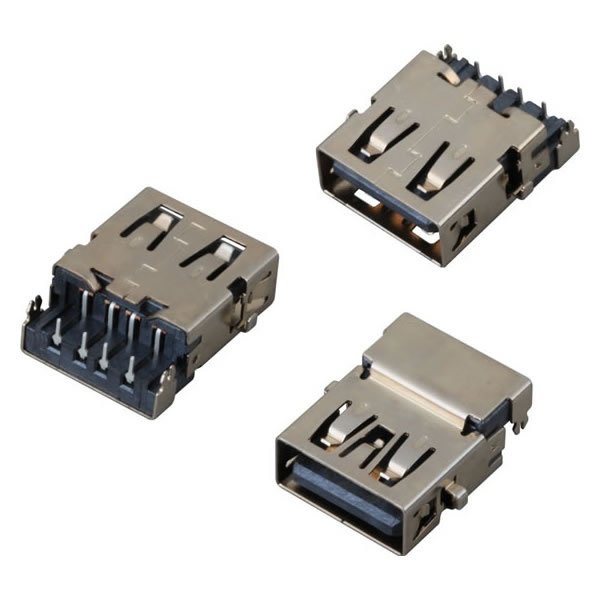
The resistance of USB socket interfaces is generally very small, mainly reflected in the following aspects:
What is the resistance of the USB socket interface? Read More »

In the new energy industry, FFC connectors and CCS connectors play crucial roles in signal transmission and power delivery respectively. FFC connectors (Flexible Flat Cable Connectors) are primarily used for internal communication between devices such as Battery Management Systems (BMS), control modules, and sensors. They handle low-current, low-voltage signal connections and feature compact size, lightweight
New energy connector FFC CCS function Read More »

The process of detecting the coplanarity of FPC connectors follows a standardized operating mode, which mainly includes three stages: pre-processing, detection execution, and data analysis. Before the homework, the sample needs to be cleaned and dusted to ensure that the surface is free of pollutants that affect the measurement accuracy. Then, the connector is fixed
FPC connector coplanarity detection process Read More »

The PH series WAFER connectors exhibit significant differences in electromagnetic compatibility (EMC) protection and structural design compared to shielded products. The PH series is known for its compact design, using high-purity phosphor bronze contacts with gold plating technology. It meets the UL94 V-0 flame retardant standard while also maintaining low contact resistance, making it suitable
Comparative analysis of PH series WAFER connectors and shielded types connector Read More »
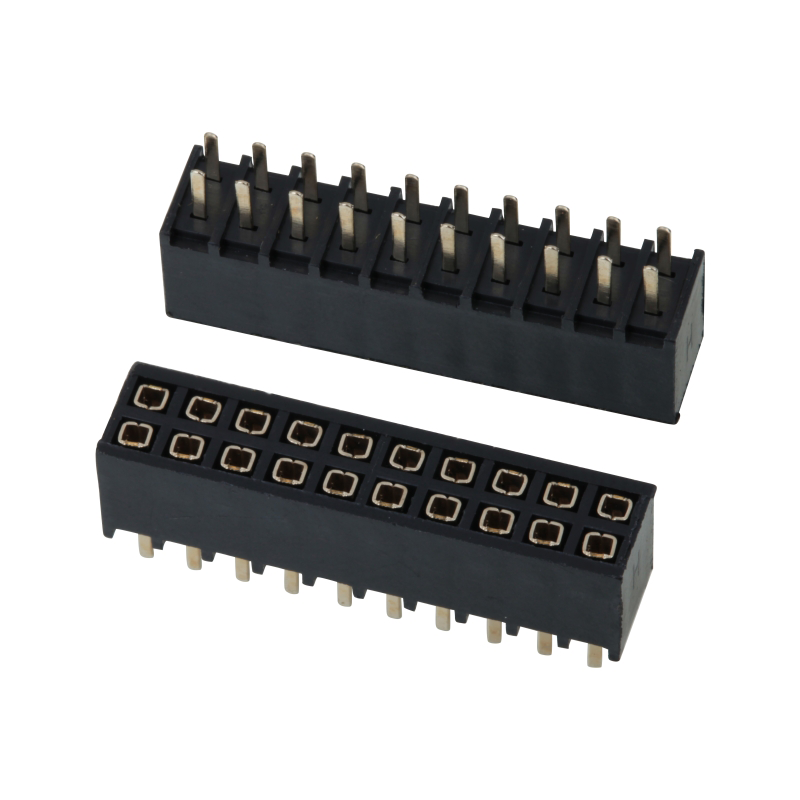
How to deal with signal attenuation or failure caused by oxidation of the contact surface of the pin header and female header?Firstly, the thickness and distribution range of the oxide layer are detected by precision instruments, and the contacts are ultrasonically cleaned using anhydrous ethanol or specialized electronic cleaning agents to remove surface oxides and
Oxidation treatment plan for poor contact of pin header and female header Read More »