admin

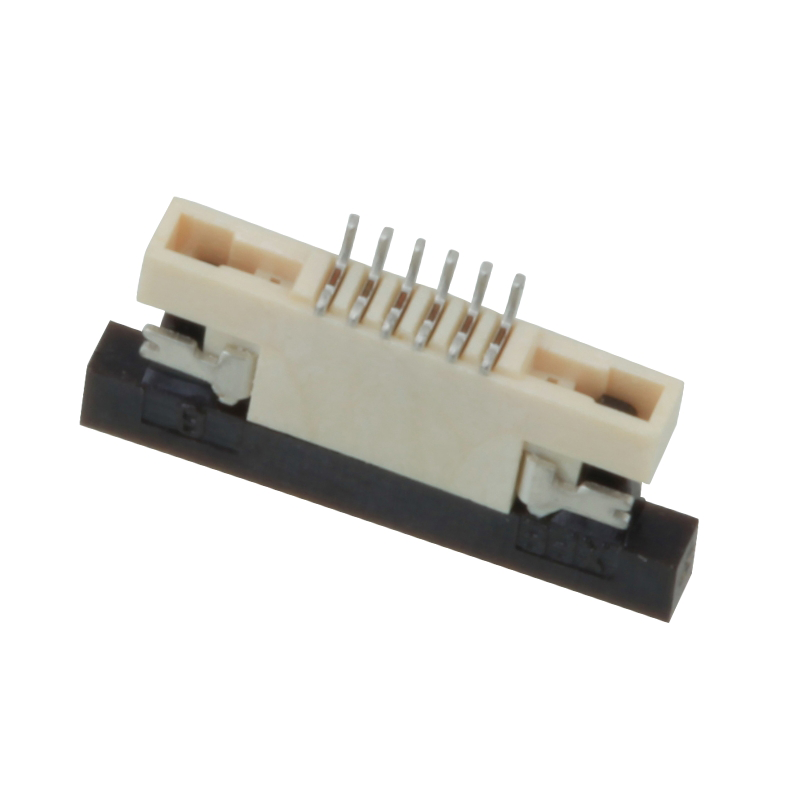
The core structure composition of FPC connector

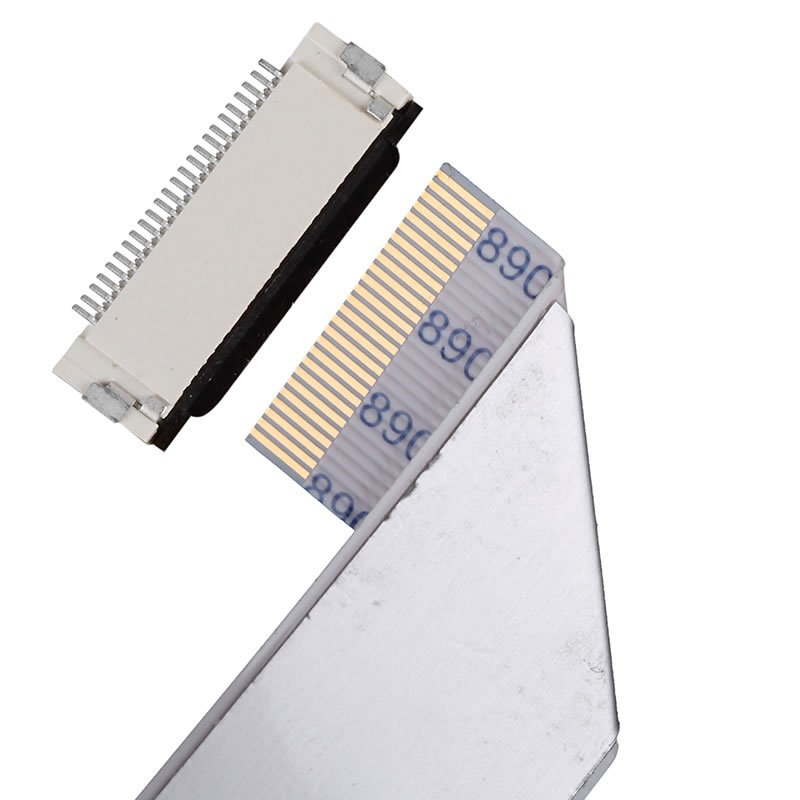
Contact terminals: They are usually made of high conductivity and high strength alloy materials such as phosphor bronze, and are plated with gold to enhance conductivity and corrosion resistance. The terminal is responsible for achieving electrical connection between the FPC gold finger and the PCB, requiring low contact resistance (generally ≤ 20m Ω) to ensure

The core structure composition of FPC connector Read More »

The difference between gold-plated and tin-plated connectors

The core differences between gold-plated and tin-plated connectors lie in their physical properties, cost, and application scenarios. Gold plating offers excellent conductivity and oxidation resistance but comes at a higher cost, while tin plating provides better cost performance but is prone to oxidation and has weaker wear resistance. Performance and Reliability Differences Conductivity and Oxidation

The difference between gold-plated and tin-plated connectors Read More »

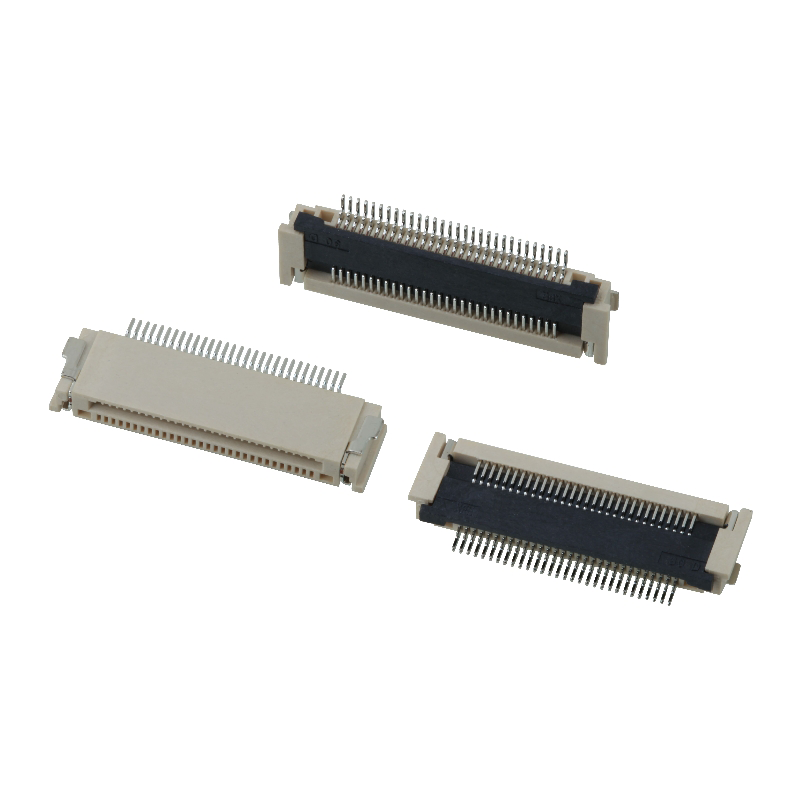
The Features of FPC Connector

FPC connectors include straight, right-angle, locking, press-fit, and high-density connectors. Straight connectors are suitable for parallel insertion and extraction, with a simple structure and ease of operation; right-angle connectors are often used in designs with limited space, with the insertion direction perpendicular to the FPC soft board surface, saving space; locking connectors ensure a stable

The Features of FPC Connector Read More »

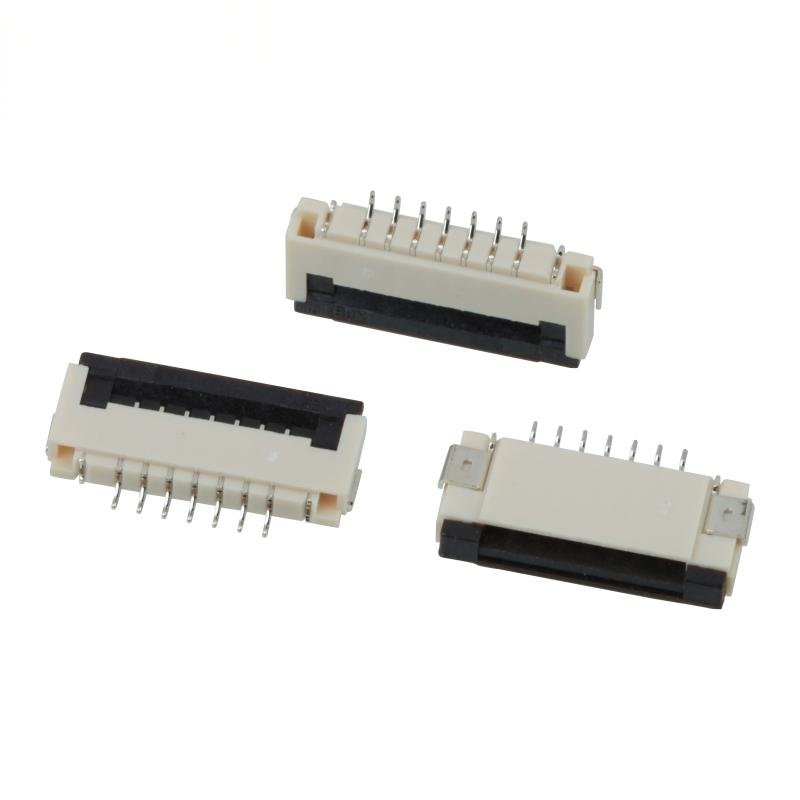
Analysis of the Structure and Material of female header

The female header is composed of an insulated shell and metal contacts:Insulation shell: Made of high temperature resistant engineering plastics such as PBT, PA6T, LCP (UL94V-0 fire rating), ensuring no deformation during wave soldering or reflow soldering processes. The shell comes in various colors (black, white, natural color), making it easy for engineers to distinguish

Analysis of the Structure and Material of female header Read More »

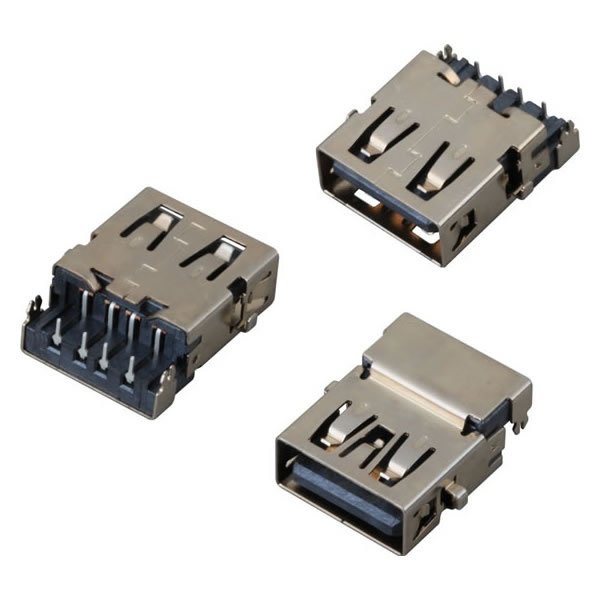
Advantages of SMT connectors

SMT connectors (surface mount technology connectors) have significant advantages over traditional through hole (THT) connectors in modern electronic manufacturing, especially suitable for high-density, miniaturized, and automated production scenarios. According to authoritative public information, its core advantages can be summarized as follows: Main advantages Small size and light weight: SMT connectors do not require drilling and

Advantages of SMT connectors Read More »

The difference in connection methods between WTB connectors & BTB connectors

WTB (Wire to Board) connector: used for connecting wires to circuit boards, i.e. “wire to board” connection. It connects external wires (such as power lines and signal lines) to the PCB board to achieve signal or power transmission. BTB (Board to Board) connector: used for direct connection between two circuit boards, i.e. “board to board”

The difference in connection methods between WTB connectors & BTB connectors Read More »

Typical application scenarios of FFC

FFC flexible ribbon cables are widely used in multiple fields due to their advantages of lightweight, flexibility, high-density connection, and low cost. Its main applications in the field of consumer electronics are as follows: LCD displays, televisions, tablets, laptops: used as screen cables and internal board to board connections. Smartphones, digital cameras, DVD players, audio

Typical application scenarios of FFC Read More »