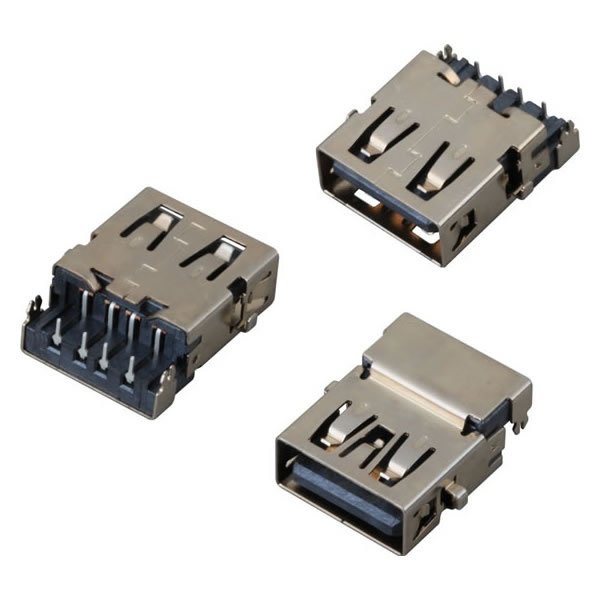
The Type-C interface is prone to metal contact oxidation due to long-term exposure to humid environments or frequent plugging and unplugging, resulting in increased contact resistance and abnormal signal transmission. When dealing with the oxide layer, it is recommended to use precision electronic cleaning agents combined with dust-free cloths for physical wiping, and ensure that the equipment is completely powered off before operation. For stubborn oxidation points, cotton swabs soaked in 99% concentration isopropanol can be used for targeted cleaning to avoid fiber residue affecting conductivity. After cleaning, it is recommended to use a multimeter to measure the resistance between the contacts, and the normal range should be maintained within the range of 10-50 mΩ. To prevent secondary oxidation, a trace nano level antioxidant coating can be sprayed on the contact surface, but it should be noted that the coating thickness should not exceed 3 mm to avoid hindering insertion. For outdoor use scenarios, priority should be given to Type C sockets with protection levels above IP54 and built-in silicone dust plugs. Regularly check the elasticity of the sealing ring and replace any faulty components. Industrial grade products usually use gold plating technology to enhance their antioxidant capacity, while nickel palladium alloy coatings can be used as an economic alternative in the civilian field. According to the maintenance manual data, standardized cleaning can extend the effective working cycle of Type-C interfaces by 40% -60%.